Discovering Healthy Relationship Signs and Avoiding Red Flags
In the realm of dating, red flags are warning signs that indicate potential problems or toxic behavior in a romantic relationship.
These signals can range from inconsistencies in behavior to deeper issues such as a lack of accountability, controlling behavior, or patterns of manipulative behavior.
While some red flags in a relationship—such as physical violence, dishonesty, or emotional abuse—are universally concerning, others can be subjective. The way we perceive them often depends on personal values, experiences, and trauma responses.
Recognizing relationship red flags early on can prevent emotional harm, domestic violence situations, and help ensure a healthy relationship.
By paying attention to these signs, individuals can protect their mental health and own sanity, creating space for healthier and more fulfilling connections. Since dating in my 40s after my divorce I have learned to pay attention to whether something is a red flag for me.
The Controversy Around Red Flags
What constitutes a major red flag for one person might be a green flag or even a neutral trait for another. This discrepancy arises from different perspectives, experiences, and levels of emotional intelligence.
For instance, someone who values independence might perceive co-dependence as a clear red flag. While another might interpret it as emotional closeness or support. Similarly, behaviors that trigger past traumas for one person may feel comforting or safe to someone else.
Understanding these differences is key to navigating the complexities of modern relationships.
It’s not just about recognizing red flags in a partner. It is also about identifying what makes a good match for you. Healthy relationships thrive on mutual respect, open communication, and the alignment of values.
Red Flags and Love Languages: A Matter of Compatibility
The concept of love languages—how individuals express and receive affection—further complicates the understanding of red flags.

What might seem like a major sign of trouble to one person could be an expression of love to someone else.
Misalignment in love languages can lead to misunderstandings and even conflict. This makes approaching these dynamics with emotional intelligence especially important.
Acts of Service vs. Overstepping Boundaries
For someone whose primary love language is acts of service, going out of their way to help their partner may feel natural.
However, this can feel suffocating or controlling to someone who values personal space and independence.
Recognizing the difference between genuine care and overbearing behavior is crucial for a healthy relationship.
Words of Affirmation vs. Love Bombing
Those who thrive on words of affirmation often express affection through compliments and validation. Yet, for someone wary of love bombing—excessive attention and flattery early in a new relationship—this behavior might feel like an intimidation tactic or manipulation.
Context, timing, and authenticity make all the difference.
Physical Touch vs. Moving Too Fast
Frequent hugs, hand-holding, or other forms of physical touch may feel comforting to some but can seem like a major red flag to someone who values emotional connection before physical intimacy.
Rushing into physical closeness can make some individuals feel uncomfortable or unsafe.
Gift-Giving vs. Material Manipulation
People who show affection through gift-giving may believe they are tangibly demonstrating care.
However, when gifts are used as a substitute for genuine apologies or as an attempt to control a partner, they can become a major red flag rather than a gesture of love.
Quality Time vs. Possessiveness
Spending uninterrupted time together is a hallmark of quality time as a love language.
Yet, constant demands to spend time together may be perceived as clinginess or a lack of independence, especially when personal boundaries are ignored.
Insights from Women Across the Nation: Common Red Flags in Dating
To gain a deeper understanding of flags in a relationship, I gathered responses from hundreds of women in online groups across Montana, Idaho, Wyoming, Washington, and Colorado.
Their perspectives provide more clarity on the common red flags women encounter in dating.
Here are the key themes:
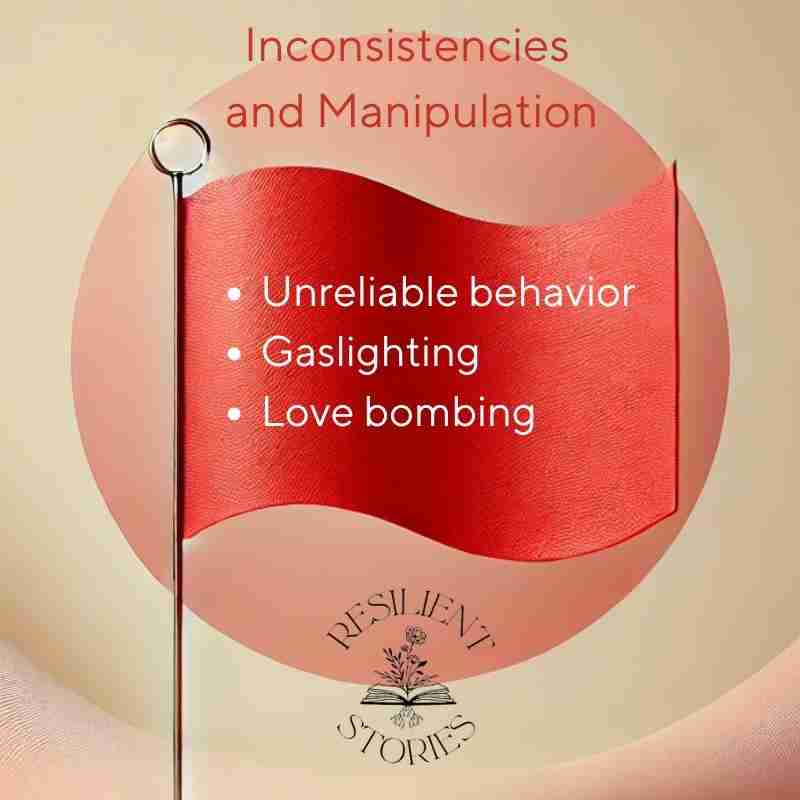
1. Inconsistencies and Manipulation
- Unreliable behavior: Saying one thing and doing another or constantly making excuses undermines trust.
- Gaslighting: Manipulating someone to question their reality or feel guilty for legitimate concerns.
- Love bombing: Showering excessive affection early in the relationship without meaningful connection.
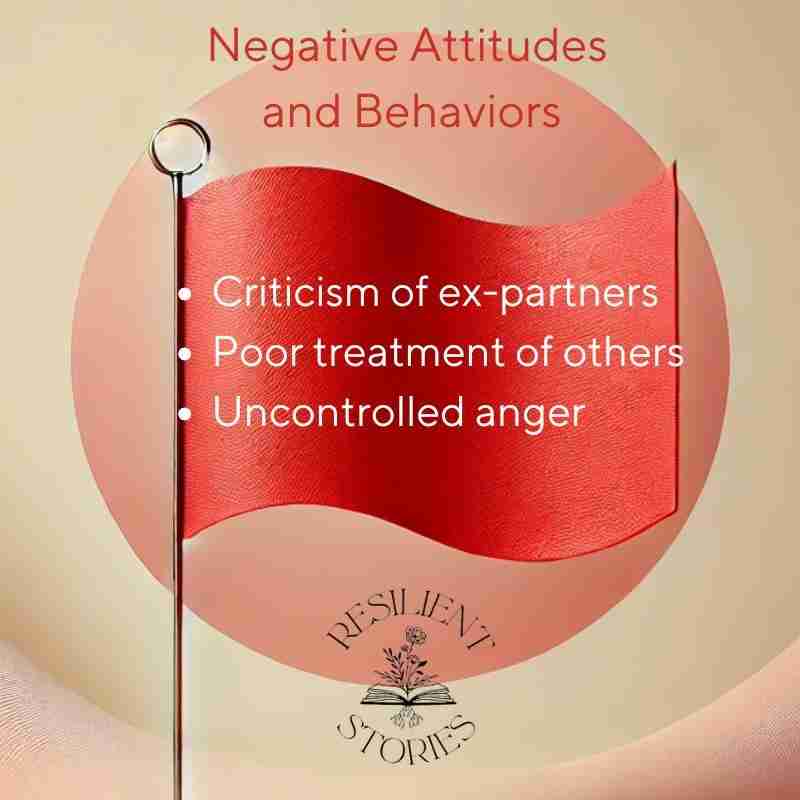
2. Negative Attitudes and Behaviors
- Criticism of ex-partners: Frequently calling crazy exes reflects a lack of accountability and unresolved conflict from previous relationships.
- Poor treatment of others: Disrespecting service workers, bad tipping, or other dismissive behaviors signal a lack of empathy and respect.
- Uncontrolled anger: Quick tempers or intimidation during disagreements are seen as abusive behaviors.
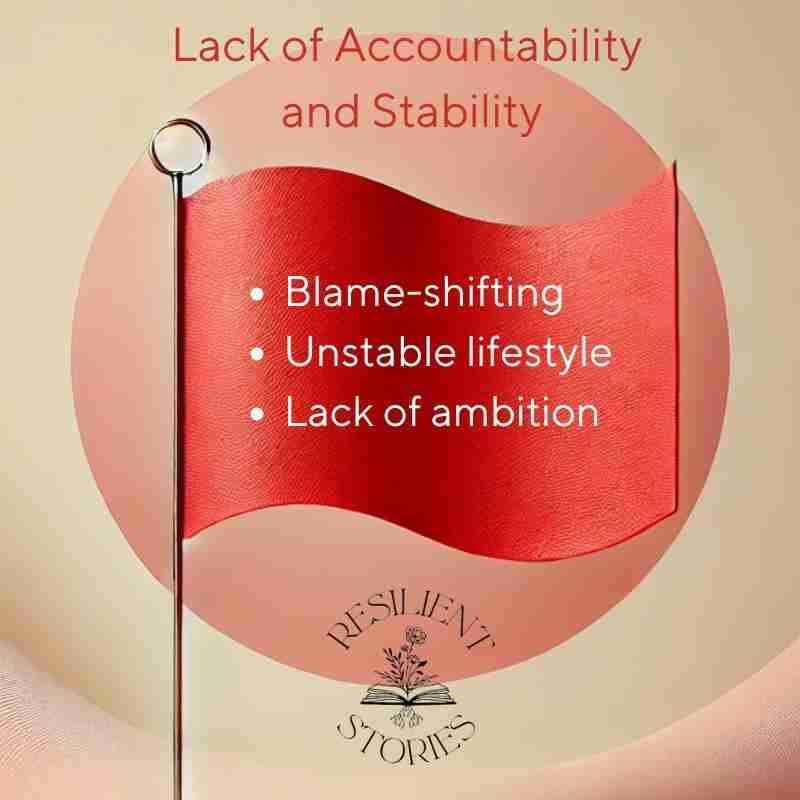
3. Lack of Accountability and Stability
- Blame-shifting: Avoiding responsibility by blaming others for problems is a major sign of immaturity.
- Unstable lifestyle: No steady job, still living with parents without a plan, or frequent upheavals in life suggest a lack of readiness for a stable partnership.
- Lack of ambition: No goals or direction can be a huge red flag, indicating stagnation.
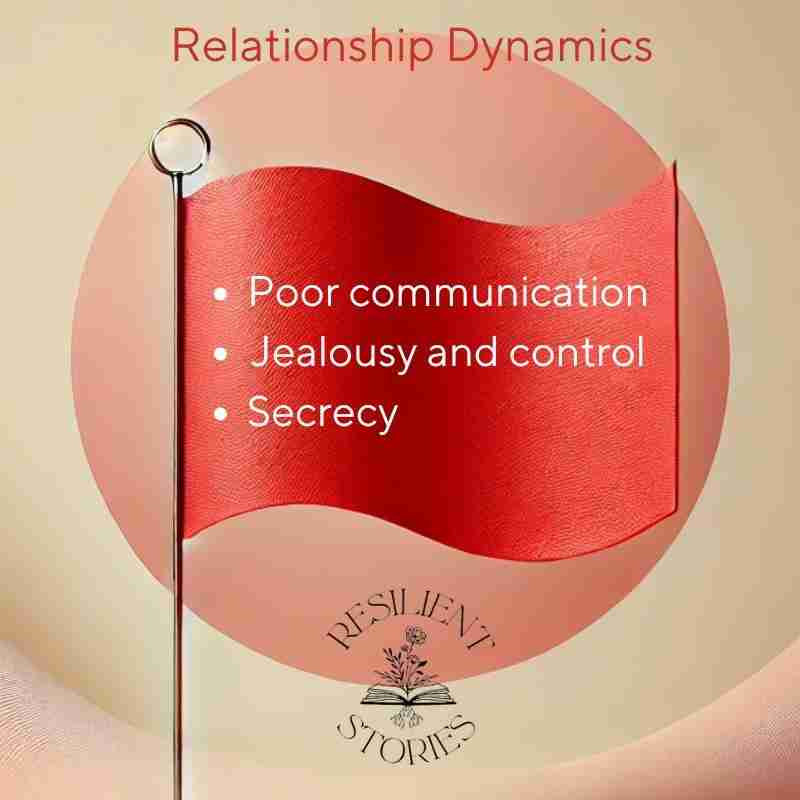
4. Relationship Dynamics
- Poor communication: Avoiding discussions, shutting down during disagreements, or refusing to talk about issues can harm relationships.
- Jealousy and control: Excessive jealousy or isolating a partner from friends and family members are examples of controlling behavior.
- Secrecy: Keeping phones hidden, avoiding transparency, or being vague about activities creates mistrust.
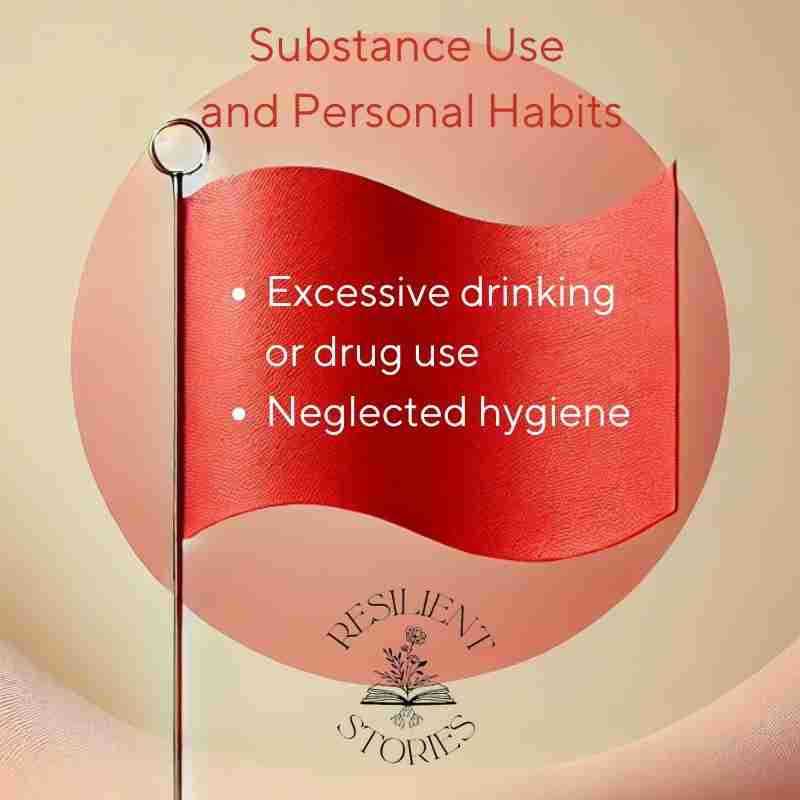
5. Substance Use and Personal Habits
- Excessive drinking or drug use: Daily substance use can harm mental health and social connection.
- Neglected hygiene: Poor personal care, such as not using basic grooming products, is a frequent pet peeve.
6. Boundary Issues
- Fast-tracking the relationship: Rushing into commitments or intense emotions early in a relationship is often a sign of insecurity.
- Ignoring boundaries: Disrespecting a partner’s need for independence or personal space undermines well-being.

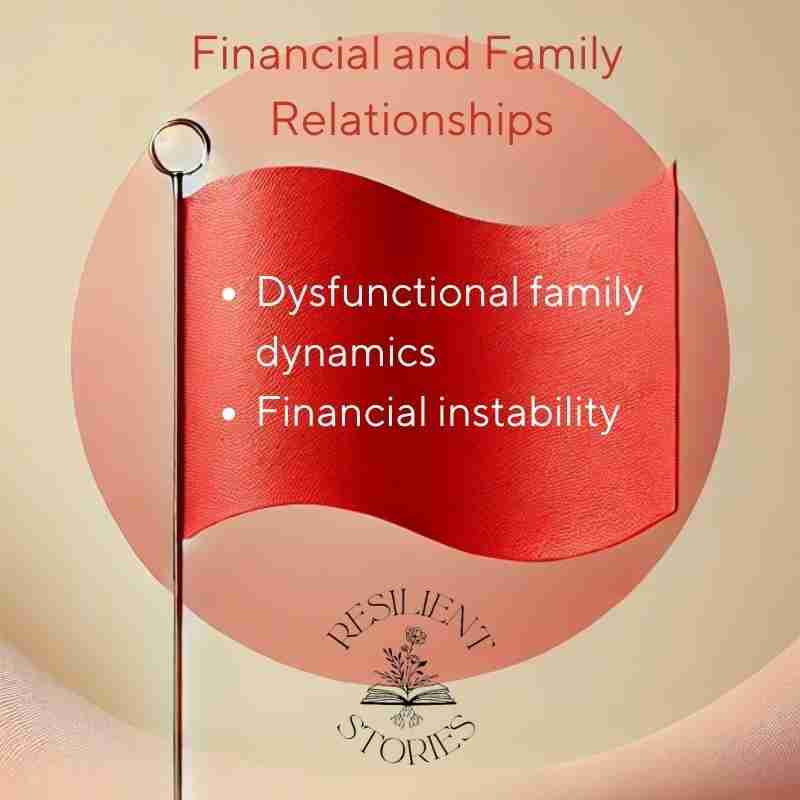
7. Financial and Family Relationships
- Dysfunctional family dynamics: Strained relationships with family members or unresolved issues with parents signal potential baggage.
- Financial instability: Misusing money or relying on extravagant gestures to apologize indicates a lack of financial responsibility.
The Overall Theme: From Red Flags to Healthy Relationships
The common red flags shared by women reveal recurring themes of emotional immaturity, lack of accountability, and disrespect.
These behaviors can harm mental health, trust, and happiness in a romantic relationship.
However, identifying these patterns offers an opportunity to cultivate healthier partnerships built on mutual respect, emotional intelligence, and shared values.
By recognizing red flags, respecting boundaries, and prioritizing open communication, individuals can navigate relationships with more clarity and confidence.
A healthy relationship is not just the absence of major red flags but the presence of mutual support, kindness, and understanding—qualities that lead to lasting happiness and connection.
Social Media and Red Flags: The Role of Online Communities in Modern Dating
In the age of social media, online communities such as “Are We Dating the Same Guy?” have become popular spaces for people to share their dating experiences and discuss red flags in relationships.
These groups provide a platform for individuals to warn others about potentially toxic partners, seek advice, and validate their concerns.
While these forums offer valuable insights and support, they also bring both positive and negative implications for how we navigate romantic relationships and perceive relationship red flags.
The Positive Impact of Social Media Communities
- Awareness and Education
Online communities help individuals recognize red flags they might not have identified on their own.For example, posts about behaviors like gaslighting, love bombing, or manipulative behavior can provide real-life examples, making these concepts more relatable and understandable.
This awareness can empower individuals to prioritize their mental health and set boundaries in relationships.
- Validation and Support
Sharing experiences in groups like “Are We Dating the Same Guy?” can help people feel less alone.Hearing similar stories from others can validate feelings of discomfort or unease in a new relationship, reinforcing the importance of trusting one’s instincts when encountering things that send off an alarm.
This sense of solidarity can improve emotional well-being and encourage individuals to make healthier choices.
- Accountability for Toxic Behavior
By calling out abusive behaviors or patterns of dishonesty, these forums can hold individuals accountable for their actions.If someone has repeatedly exhibited major red flags—such as lying, controlling behavior, or disrespecting boundaries—social media can act as a safeguard, warning others to proceed with caution.
- Crowdsourced Insights
Members often share nuanced perspectives on behaviors that might initially seem like yellow flags rather than major red flags.For example, what might be interpreted as a lack of ambition could have underlying causes like personal struggles or past trauma.
These discussions add depth to the understanding of flags in a relationship and encourage balanced judgments.
The Negative Implications of Social Media Communities
- Potential for Misinterpretation
What one person considers a huge red flag might be a misunderstanding or an isolated incident.Without full context, behaviors such as limited availability or being introverted can be misinterpreted as clear red flags when they might not necessarily indicate a problem.
- Public Shaming and Privacy Concerns
Posting details about someone’s behavior—such as a first date or their online profile—can cross ethical boundaries, especially if it involves public shaming.While the intention may be to warn others, these actions can harm reputations and invade privacy, even when the concerns are legitimate.
- Overemphasis on Negativity
Social media groups can sometimes focus disproportionately on negative aspects of relationships.This could lead to heightened suspicion or a tendency to scrutinize a new partner for minor flaws. In some cases, this can result in overlooking green flags or missing opportunities for healthy connections due to fear or mistrust.
- Echo Chambers and Bias
Online communities often attract like-minded individuals, which can create an echo chamber effect.If group members reinforce each other’s concerns without critical discussion, it can lead to a skewed perception of red flags or escalate minor issues into major signs of incompatibility.
- Impact on Social Connection and Trust
Constantly seeking validation from online groups can undermine personal confidence and decision-making in relationships.Over-reliance on others’ opinions may prevent individuals from fully trusting their instincts, affecting their ability to build authentic connections.
Balancing the Benefits and Risks
While social media communities like “Are We Dating the Same Guy?” can be powerful tools for identifying and discussing red lights in relationships, they also require responsible participation.
Here’s how to strike a balance:
- Use the Information Wisely: Treat the insights gained from these groups as one piece of the puzzle rather than definitive proof of someone’s character. Use them to identify patterns, but always consider context.
- Respect Privacy: Avoid sharing excessive personal details about someone without their consent. Focus on discussing behaviors and experiences rather than labeling individuals.
- Focus on Emotional Intelligence: Strive to develop your understanding of red flags, yellow flags, and green flags through self-reflection and open communication with your partner.
- Engage in Positive Discussions: While addressing common red flags, also share positive experiences and examples of healthy relationship behaviors to balance the narrative.
Conclusion: Social Media is a Tool, Not a Judge
Social media groups discussing red flags in dating offer both a supportive environment for identifying toxic behaviors and a cautionary reminder about the potential for bias and misunderstanding.
When used thoughtfully, these communities can empower individuals to make informed decisions in their romantic relationships, fostering healthy relationships and stronger personal boundaries.

However, participants should remain mindful of the limitations and risks of such platforms, ensuring that they promote constructive dialogue and respect for all parties involved.
Navigating Red Flags in Dating and Building Healthier Relationships
Understanding and recognizing red flags in dating is an essential step in creating fulfilling and healthy connections.
These warning signs, whether they manifest as manipulative behavior, lack of accountability, or controlling behavior, offer valuable insights into a partner’s emotional maturity and compatibility.
However, the nuances of red flags—what they mean, how they’re perceived, and their impact on relationships—underscore the complexity of modern dating.
This exploration of red flags, love languages, and insights from women across the nation highlights the importance of emotional intelligence and clear communication.
What may seem like a significant red flag to one person could be a yellow flag or even a neutral trait to another, shaped by individual experiences, values, and trauma responses.
Final Thoughts on What to Do When You Discover a Red Flag
Navigating these differences requires self-awareness, empathy, and a commitment to understanding not only your partner but also your own needs and boundaries.
The advent of social media platforms like “Are We Dating the Same Guy?” has added a new dimension to identifying and discussing relationship red flags. These communities have proven to be both a source of empowerment and a cautionary tale.
They offer validation, education, and accountability, but they also come with risks, such as potential misinterpretation, overemphasis on negativity, and breaches of privacy.
Striking a balance between using these tools wisely and maintaining personal integrity is crucial for fostering trust and building authentic connections.
Ultimately, the journey toward healthier relationships is about more than avoiding major red flags; it’s about seeking out the green flags that signify respect, support, and mutual growth.
Healthy relationships thrive on open communication, balanced conflict resolution, and shared values, providing a foundation for lasting happiness and emotional well-being.
By understanding common red flags, respecting boundaries, and approaching relationships with curiosity and self-reflection, individuals can navigate the dating landscape with confidence.
You can keep some of this advice in mind when viewing your other relationships, too!
Whether through personal experience, input from social media, or thoughtful introspection, the ability to identify and respond to warning signs is a powerful tool for creating the relationships you deserve—ones that prioritize kindness, trust, and the shared pursuit of joy.
What is your red flag in a relationship that is an instant deal-breaker? Let us know in the comment section below.

























0 Comments