

Embracing the Wandering Mind in Meditation
If you’ve ever considered exploring the world of meditation, now is the perfect time to learn how to meditate. It offers many long-term advantages for mental health and resilience, like improving mood and emotional stability.
This beginner-friendly guide will walk you through the essentials of meditation, helping you create a mindful practice that supports your well-being.
In the following sections, we’ll cover how to:
- Discover your meditation space and personalize it with the right elements
- Learn to meditate to cultivate resilience, inner peace, and mental clarity
- Structure a consistent process, manage distractions, and reap long-term benefits for your health
Let’s embark on this transformative journey together!
Discovering Your Meditation Space
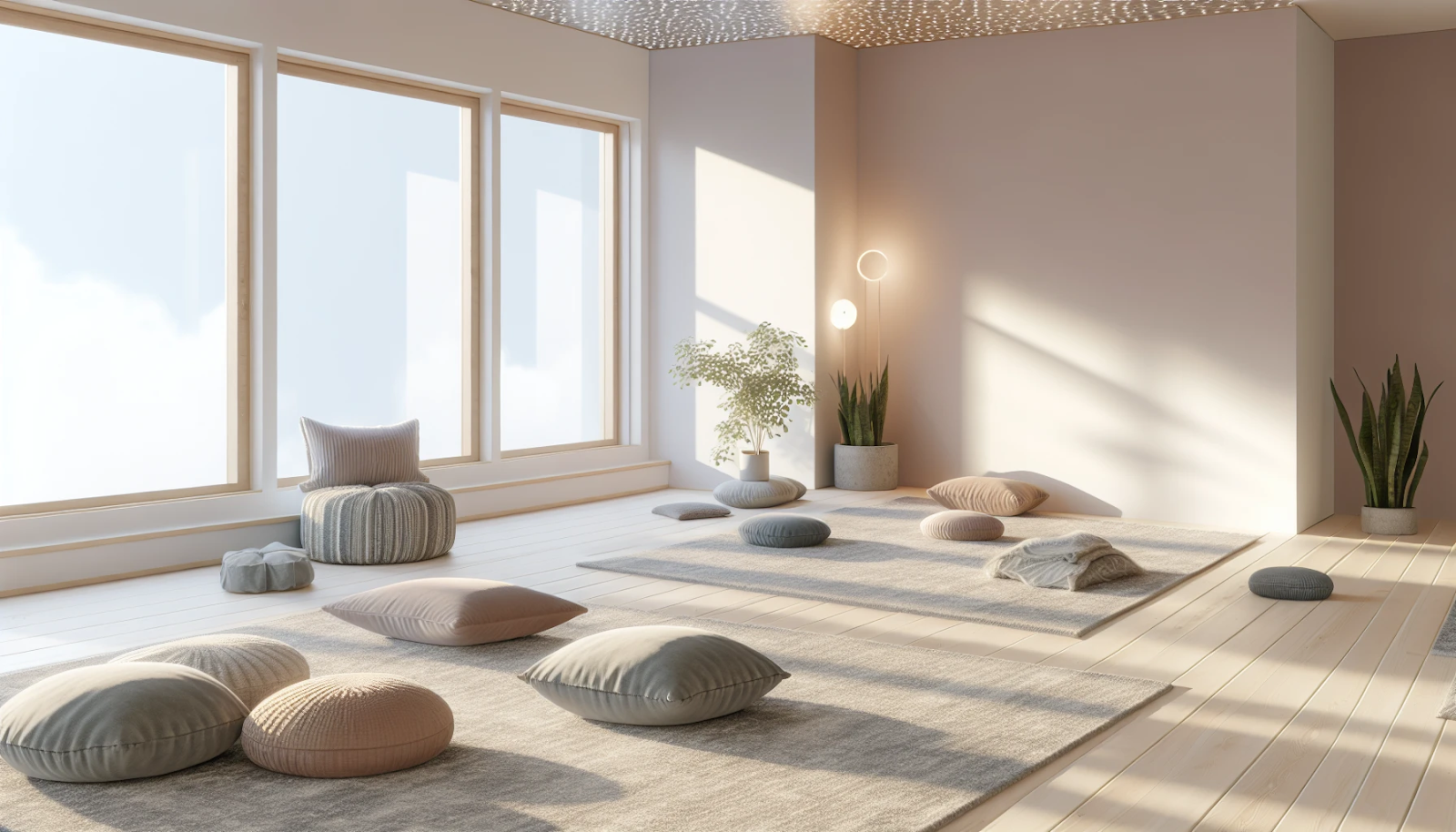
Creating a serene space is the first step in embracing a beginner’s meditation practice. A peaceful environment fosters mindfulness, allowing you to immerse yourself in the experience fully.
This section will explore choosing the right location, setting the mood, and personalizing your chosen location.
Choosing the Right Location When Learning to Meditate
Selecting a quiet location to meditate is crucial for maintaining focus and reducing distractions. Whether you’re practicing in a dedicated room or a cozy corner, choosing a space that feels calming and inviting is essential.
Consider areas with natural light and a connection to the outdoors, like windows or French doors. Outdoor spaces like gardens, patios, or balconies are also ideal for an immersive meditation experience.
If you encounter noises during your meditation, remember that it’s a normal part of the practice.
Simply acknowledge the sound, let it go, and refocus on your breath. Informing your housemates of your plans can also help minimize interruptions and create a more peaceful atmosphere.
Setting the Mood
Creating a calming atmosphere significantly improves your meditation experience, so you mustn’t overlook this step when you learn to meditate. If you don’t have natural light, then soft or dim lighting can promote relaxation and help reduce distractions.
In addition to lighting, incorporating elements like cushions, blankets, candles, incense, or sage can further elevate your space. Aromatherapy candles (affiliate link) with soothing scents like lemon bergamot can also help instill a deeper sense of peace.
Add personal touches that resonate with you to make your space truly your own. You might incorporate artwork that speaks to you, green or flowering plants, a mandala, or other items that inspire you to explore your consciousness.
Remember to wear comfortable clothing during meditation, as this will allow you to maintain proper posture and focus on your practice without interruption. With your personalized meditation spot ready, you’re set to embark on your mindfulness journey.
Embarking on Mindfulness Meditation

Mindfulness meditation is a powerful practice that can help you stay present in your mind, achieve mental clarity, and build resiliency over time. It is sometimes called transcendental meditation. However, what you call it really doesn’t matter.
Just know that by paying attention to your breath, surroundings, or body movements, you can cultivate a sense of security, self-love, and emotional stability.
This guide to beginner’s meditation will cover the core aspects of mindfulness meditation, including the practice of meditating, using the breath as a focal point, and accepting the wandering mind.
With these foundational meditation techniques, you’ll be well-equipped to begin meditating.
The Art of Meditation
Correct posture while meditating is crucial as it allows an unhindered flow of energy through the body and helps prevent sleepiness. To achieve good posture, you can simply sit cross-legged on the floor, kneel, or sit in a chair with a straight spine and feet flat on the ground.
A meditation bench or meditation cushion can help with posture and alignment. Look for round or crescent-shaped ones. They can also serve as props for different sitting positions, allowing you to find a comfortable position, and making extended meditation more accessible.
Incorporating gentle stretching before meditation can prepare your body and mind for meditating, ensuring a comfortable and focused experience.
The key to meditating is finding a position that works best for you, allowing you to maintain a straight spine and remain at ease throughout your practice. It can also be helpful to do a body scan beforehand to identify any stress or tension and let it go.
Using your breath as a focal point during breath meditation assists in maintaining focus and staying in the present moment.
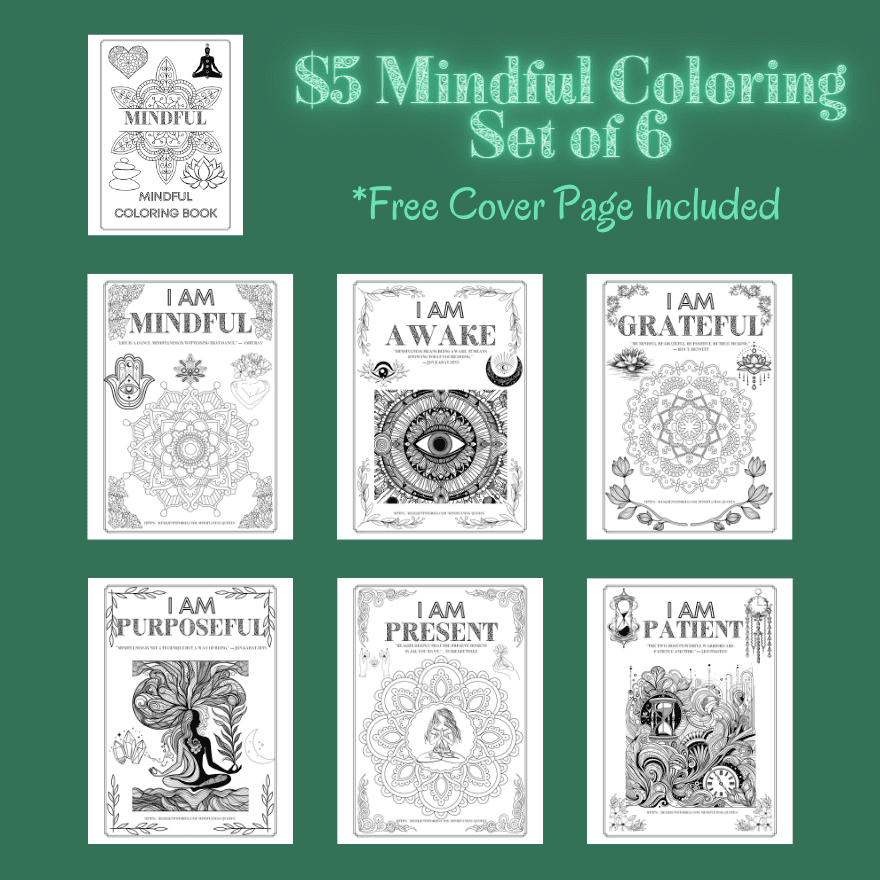
By directing your attention to the sensation of your breath entering and leaving your body, you create a reminder to bring your awareness back to the present moment whenever your mind wanders.
When practicing breath-focused mindfulness, remember that it’s normal for the mind to wander. Simply acknowledge the thought, let it go, and gently refocus on your breath without judgment.
This non-judgmental approach helps build resilience and enhances your ability to meditate.
Learn to Meditate by Embracing the Wandering Mind
Accepting that the mind will wander during meditation is part of the natural process. For many, this is the goal of meditation, beyond any health benefits. Trying to suppress or ignore the mind wandering can lead to frustration and a sense of failure.
Instead, approach your intrusive thoughts and mind wandering with kindness and patience, gently guiding your focus back to your breath or chosen anchor.
By embracing the wandering mind and refocusing without judgment, you’ll develop a deeper understanding of your own thought patterns and cultivate a more compassionate relationship with yourself.
This mindful approach enhances your meditation and positively impacts your daily life and overall health and well-being.
Structuring Your Meditation Practice
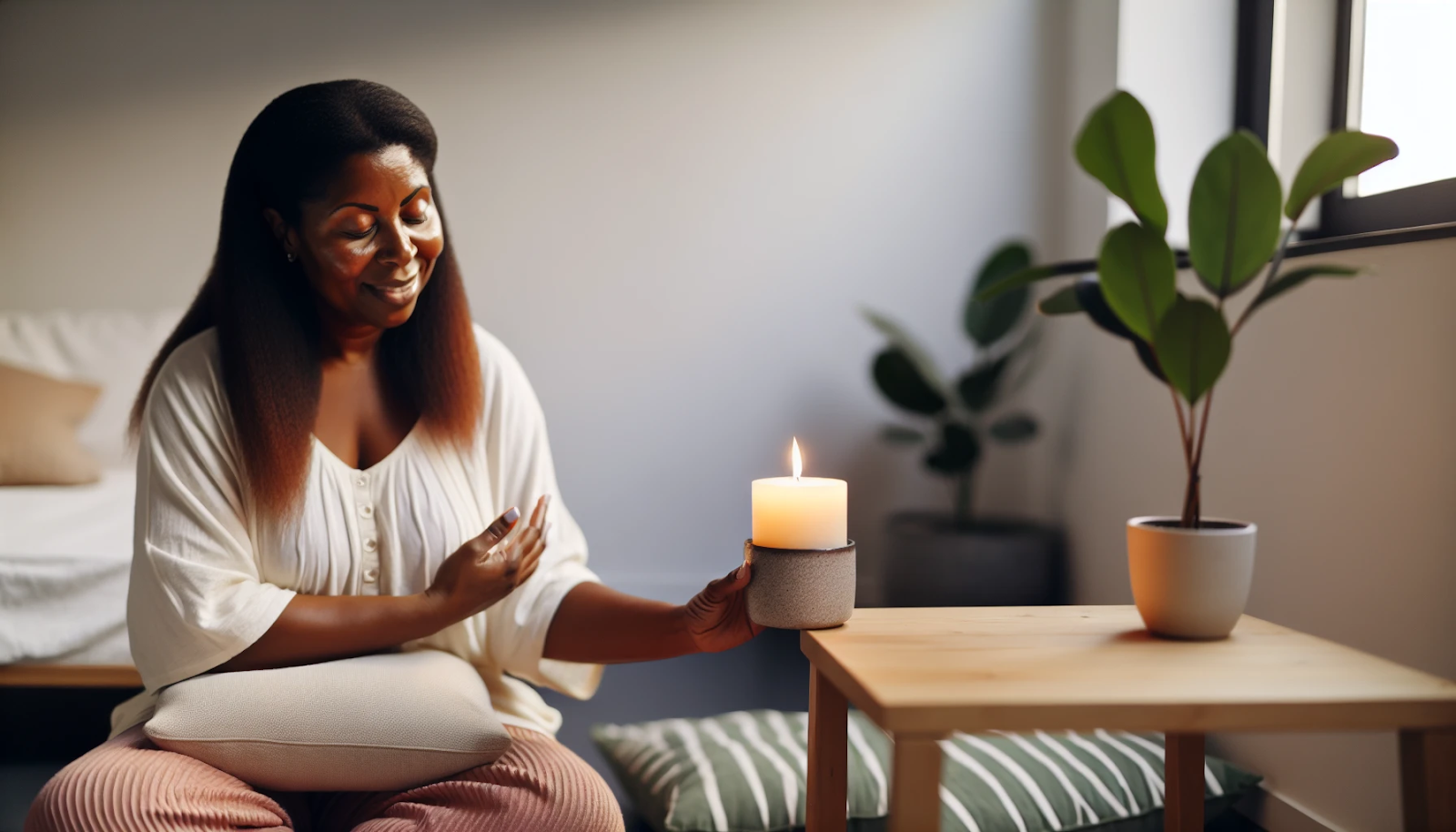
When you’re learning to meditate, establishing a structured routine is key to reaping its numerous benefits. This guide will cover how to create a daily routine, determine the duration of your practice, and prioritize regularity over perfection.
Incorporating these elements into your everyday routine will create a solid foundation for your meditation journey.
Crafting a Daily Routine
Setting aside a specific time each day for meditation can help create a consistent practice and promote mental well-being. Consider incorporating cues, such as lighting a candle or setting a reminder on your phone, to signal the start of your meditation session.
Consistency is key, so try to meditate at the same time each day, even if it’s just for a few minutes. Traditionally, early morning is the best time to meditate.
If you’re new to meditating, guided meditations or meditation apps can provide valuable support and guidance to help you establish a routine.
With a consistent meditative method in place, you’ll be better equipped to navigate daily stressors, build a reinforced sense of calm, and increase your strength to conquer challenges.
When starting to learn how to meditate, it’s important to begin with short sessions and gradually increase the duration as you become more comfortable.
You might begin with just a few minutes each day, working your way up to half an hour or longer sessions as you gain experience and confidence in your practice. Remember that there’s no one-size-fits-all approach to meditation duration.
The most important factor for beginners is finding a balance that works for you and supports your mental health goals.
By starting small and gradually increasing your practice time, you’ll be better able to manage feelings of overwhelm and maintain a sustainable meditation routine.
Consistency Over Perfection
When you meditate, consistency should be prioritized over achieving perfection. Rather than striving for flawless sessions, focus on maintaining regular practice and accepting that each meditation experience will be unique.
With time, you’ll notice improvements in your everyday life, like increased focus, emotional stability, and overall mental and physical health. You will begin to see that meditation works.
By approaching your meditation practice with patience and self-compassion, you’ll create a sustainable routine that supports your well-being for the long term.
Remember that meditation is a journey; the benefits unfold gradually as you consistently follow the method.
Overcoming Common Challenges While You Learn to Meditate
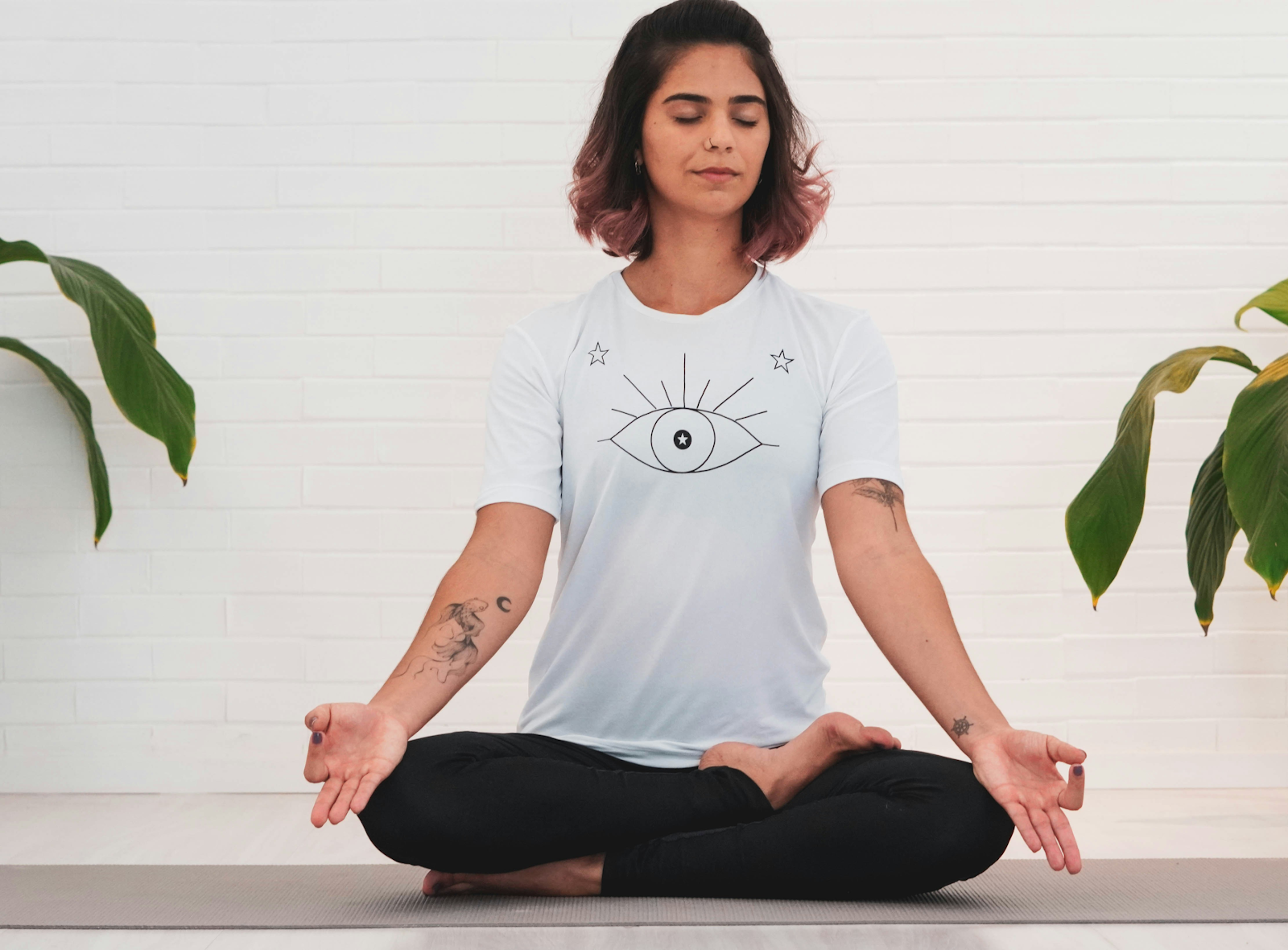
As a beginner, you may encounter various challenges during your meditation practice. This guide will address common difficulties like managing distractions, modifying expectations, focusing, and remaining awake during meditation.
By learning how to navigate these challenges, you’ll be better equipped to maintain a consistent and rewarding routine.
Distractions Will Arise When You Learn to Meditate
Distractions are a natural part of the process when we meditate. Learning to manage them is an essential skill for beginners. When distractions come, like the sound of a dog barking or a car honking, acknowledge them without judgment. Then gently bring your focus back to your breath or chosen anchor.
By practicing this non-judgmental approach, you’ll develop greater resilience in the face of distractions and cultivate a more focused and peaceful meditation practice. Remember, meditation is not about eliminating thoughts or distractions, but learning to navigate them gracefully and patiently.
Approaching meditation with realistic expectations is crucial. Rather than viewing it as a quick fix, recognize that meditation is a long-term practice with cumulative advantages for health and resiliency.
Adjust your expectations accordingly and remember that each meditation session alone will be unique and offer its insights. By setting realistic expectations for your meditation, you’ll be better prepared to navigate challenges and maintain a consistent routine.
Falling Asleep? Stay Awake Tips
Staying awake during meditation can sometimes be challenging, especially when practicing in a relaxed and comfortable environment.
To help maintain alertness, erect your spine during sitting meditation, allowing energy to flow freely through your body. Performing a body scan before you begin can also help you stay focused and aware.
If you continue to struggle with drowsiness, try adjusting your sitting position or environment to encourage alertness.
Remember that meditation is a practice. With time and consistency, you’ll develop the skills needed to maintain focus and stay awake.
Meditation and Mental Health
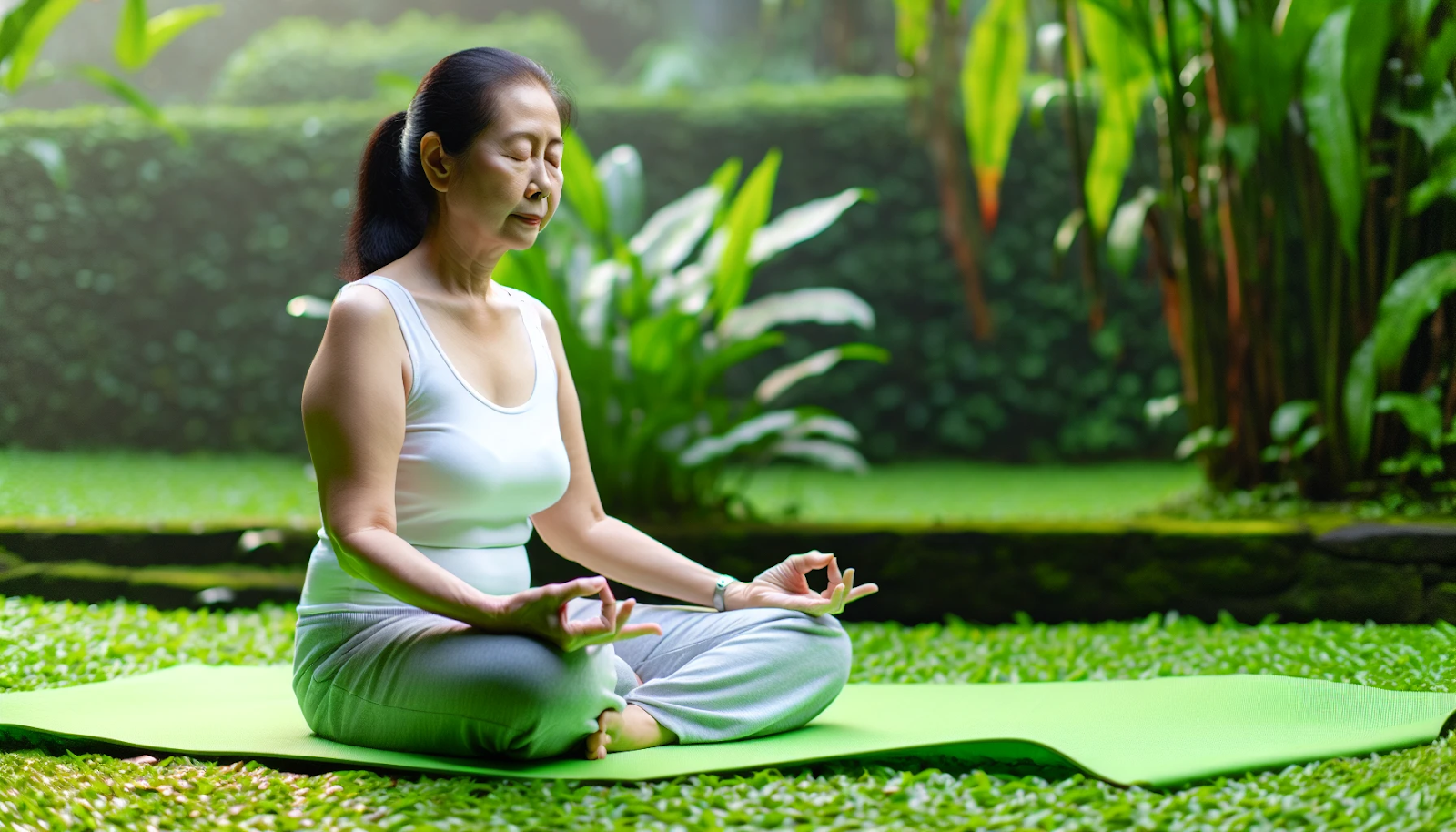
Meditation profoundly impacts mental and physical health. It offers numerous long-term benefits, such as reduced stress, improved focus, and increased emotional stability. Learning to meditate can also boost other health objectives.
It can serve as a complementary protocol in various health treatments, supporting overall well-being alongside therapy or medication. While it’s not a substitute for professional medical treatment, meditation can play a valuable role in:
- Reducing stress
- Alleviating anxiety
- Managing depression
- Helping you feel calmer and not overwhelmed
- Strengthening emotional and physical resiliency
Whether meditating independently or using guided meditation, incorporating mindfulness into your health treatment plan can improve the effectiveness of traditional therapies and help you build resilience to life’s challenges.
Feeling Overwhelmed? Start Small
If you’re feeling overwhelmed by the prospect of starting to meditate, remember that it’s okay to start small. A gentle and gradual approach is always best. Begin with shorter sessions, just a few minutes each day. Gradually increase in the duration as you become more comfortable.
While meditating correctly is important, the right or wrong way is partially determined by you. Only do what feels best to your body and mind. If you want added direction, use a guided meditation led by a meditation teacher or meditation expert.
This can increase the likelihood that you’ll stay committed to meditating and experience the long-term benefits of mindfulness.
The Long-Term Impact of Learning to Meditate
The long-term impact of meditation practice on mental health is significant. Several studies show its potential to reduce stress, enhance focus, and improve emotional stability. Regular meditation can lead to increased mindfulness and a deeper sense of inner peace.
Ultimately, this promotes greater well-being in daily life. Committing to a regular meditation practice is an investment in your health. It helps you develop the skills required to handle everyday life’s challenges with increased resilience and composure.
In conclusion, meditation offers a wealth of advantages for health and well-being. By creating a peaceful place, learning the basics of how to meditate, and structuring your practice, you’ll be well on your way to reaping the long-term rewards of this transformative practice.
So why wait? Begin your meditation journey today! Experience the profound impact this ancient protocol can have on your resiliency and overall well-being.
Frequently Asked Questions About Learning to Meditate
What happens when you meditate?
Meditating, whether during a sitting meditation or walking meditation, helps deactivate your body’s stress response. This reduces pain, depression, stress, and anxiety over time.
What is the proper way to meditate?
Meditation can take on many forms, so find a style that suits you. Start meditating by sitting in a comfortable spot and setting a time limit. Become aware of your body and breath. Focus your attention on the breath and its movements.
Notice when your body moves and your mind wanders, but don’t focus on thoughts and feelings that arise. Lastly, end with kindness and gently open your eyes.
For a successful meditation, pick a tranquil spot where distractions are kept to a minimum. This could be a peaceful room, corner, or outdoor area. Try to meditate in the same place each day.
If you encounter a distraction, such as loud music, simply acknowledge it, then let it go. You can also try a walking meditation in a peaceful park.
Free guided meditations or other meditation techniques are available online and are a great tool to help you learn to meditate.
Share your experience with meditation with us in the comment section below.




























0 Comments