
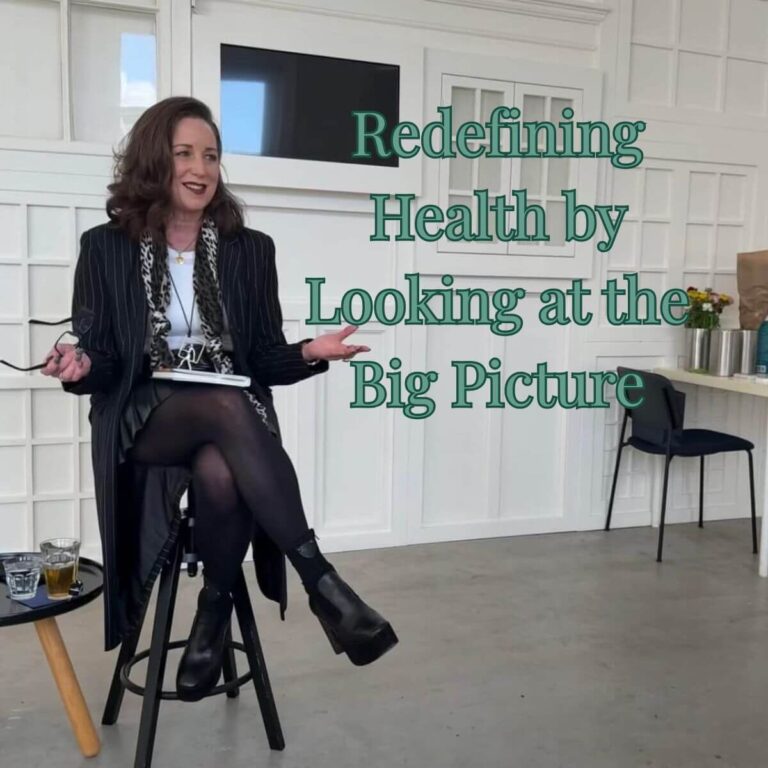
Rethinking Wellness with Lifestyle Medicine
Why the path to longer, healthier lives doesn’t begin in doctors’ offices and hospitals, but in our
kitchens, calendars, and communities. It is time we start redefining health by going beyond the doctor’s office.
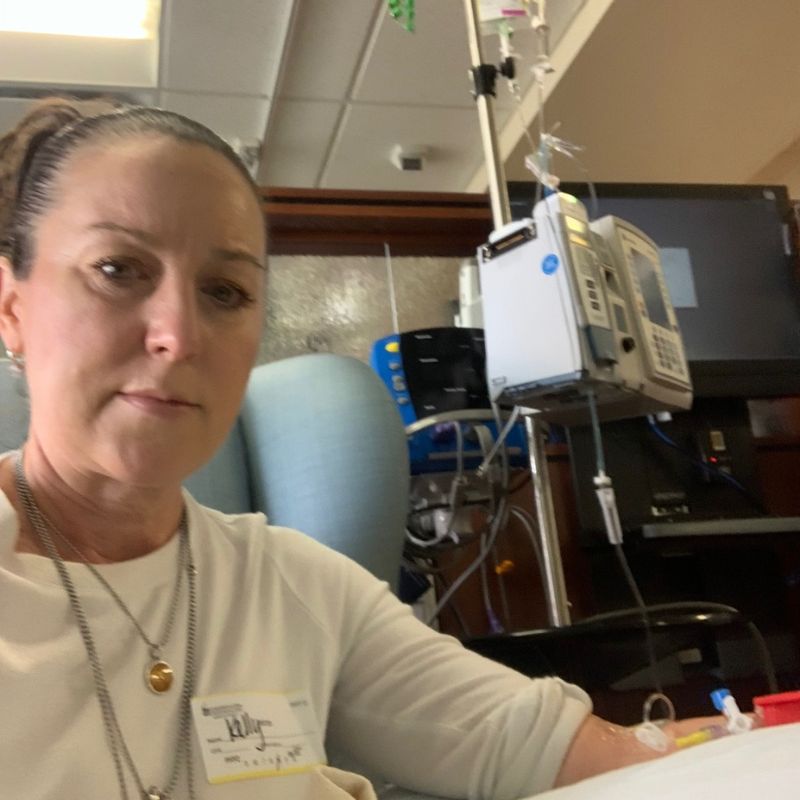
For 12 years, I’ve been navigating the ever-shifting landscape of cancer and the U.S. medical system. Few things are harder to understand than the anything-but-transparent world of insurance, prescription drugs, diagnostics, procedures, and hospital stays.
No matter where our coverage comes from—an employer, Medicare, Medicaid, the ACA exchange, or veterans’ benefits—the costs of premiums, deductibles, and co-pays are only part of the weight we carry. Fear, anxiety, and confusion compound the financial strain, creating a state of dis-ease that most Americans know too well.
When I resettled in Iowa two years ago, I learned a shocking truth: my state ranks #2 in cancer cases per capita and is the only state in the nation where cancer rates are still rising. Our rich farmland and green landscapes hide uncomfortable realities: agriculture and livestock operations pollute our air and water, and alcohol is an unquestioned part of daily life.
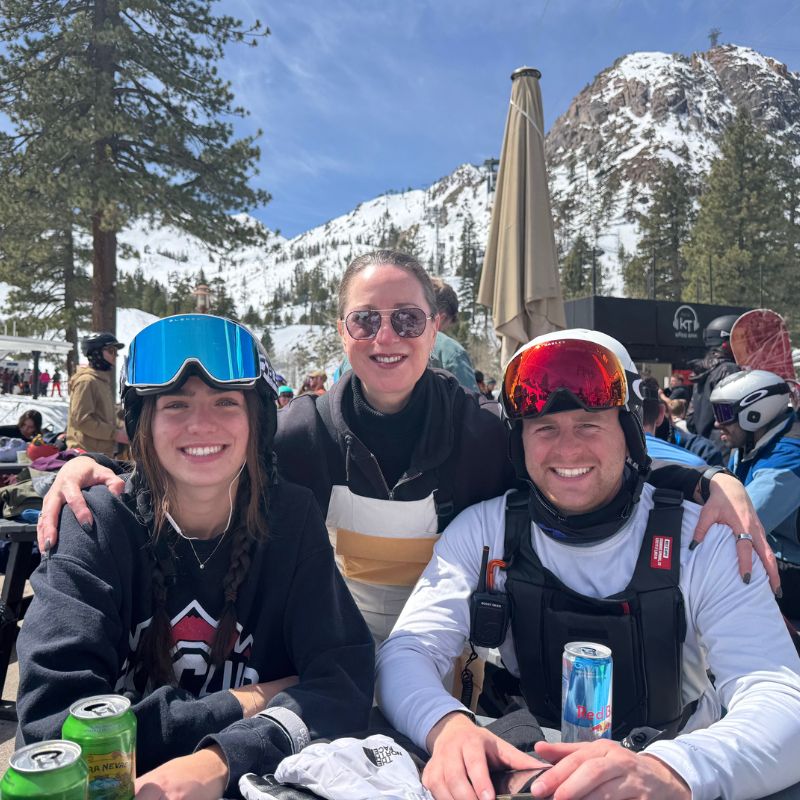
We benefit from lower costs of living and close-knit communities, yet we die too soon, our bodies heavy with chronic disease.
If we want to reduce dependence on medical care—and the burden of cancer, heart disease,
diabetes, and stroke—we must rethink who is ultimately responsible for our health.
The answer is simple, even if it isn’t easy: we are.
Prioritizing Our Own Health
Each of us is the CEO of his or her own body, a miraculous self-healing system that thrives when it’s nourished, moved, rested, and respected. True health care means treating food, movement, stress management, rest, and play with the same seriousness we give to our jobs and bills.
It means recognizing what happens when we live in a state of permanent fight-or-flight mode, flooding our bodies with stress hormones, and choosing instead to adapt our lives and lifestyles to protect our health and the health of our communities.
After my first cancer diagnosis, I leaned into lifestyle. I adopted a plant-centric diet, skipped pharmaceutical drugs, worked hard, traveled constantly, and filled every spare hour chasing meetings, deadlines, and my kids’ activities. For a while, food seemed to hold the magic my body needed.
But four years ago, cancer roared back: tumors in my neck, armpits, lung, and skull, with lesions across my bones. The Stage IV diagnosis and “palliative” label were terrifying. Surgery, chemo, and radiation weren’t even part of the plan.
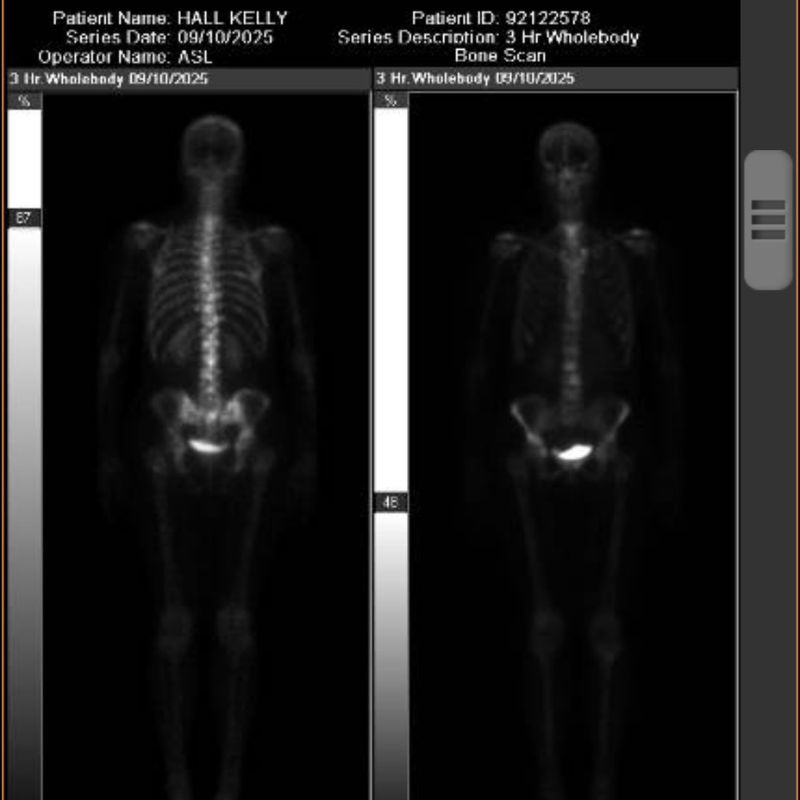
Instead, my big bet was on a new Novartis drug called Kisqali. I’ve taken it for four years now, on a schedule of three weeks on and one week off. The tumors are gone, and I feel great.
For that, I give the pharmaceutical industry and my medical team a heartfelt thank you. Their research, innovation, and tools save lives, including mine.
But I also give myself credit for managing the dis-ease behind the disease. Today, I still eat a plant-centric diet. But I also meditate daily, practice mind-body techniques inspired by Dr. Joe Dispenza, move my body every day, get seven or more hours of sleep, and say yes more often to the people and activities I love.
I drink more water, supplement wisely, and live with less stress than ever before. My body loves me back when I love her well.
Redefining Health: Less dis-ease means less disease
A surgical oncologist once told me that 80% of hospital beds would be empty if two things were true: if people could eliminate their stress, and if they maintained a healthy weight. That makes sense. With less dis-ease, there’s less disease.
More ease in the body allows it to circulate blood, oxygen, and nutrients as designed, without fighting through visceral fat, clogged arteries, or processed, sugary food.
If we want to lower the crushing personal costs of prescriptions, insurance, and hospital care, we must prioritize personal health. That means fueling our organs with natural food, moving our muscles, resting our souls, nourishing our social connections, and building safe, supportive communities.
The world’s Blue Zone — the world’s healthiest and longest-lived populations — shows us that a healthy, 100-year life is possible when we align with our bodies instead of working against them.
Medical care saves lives. But health care—real, everyday, personal health care—changes them.
* * *
KELLY WINEGARDEN HALL is a leadership expert and business strategist who helps
individuals and organizations move from surviving to thriving. As the founder of Live
L.A.R.G.E., she brings 30 years of experience leading diverse teams and transforming struggling
businesses into high-performing, self-directing organizations. Her new book is Love Works:
Transforming the Workplace with Purpose and Authenticity.













0 Comments