
Breaking the Silence of Mental Health Stigma
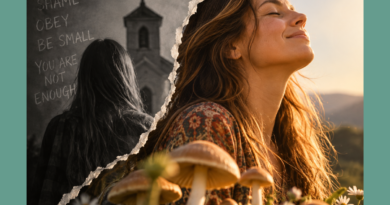
The early years of my life were marked by struggles with body image, feelings of isolation, and a deep sense of not belonging. As a suicide survivor, I now reflect on the pain and insecurities that nearly consumed me.
Society’s impossible standards and the silence surrounding mental health shaped who I am today.
I hope people reading this story are inspired to seek help. Hopefully, they feel less isolated, and contribute to breaking the stigma surrounding mental health and suicide.
By sharing this deeply personal journey as a suicide survivor I hope to remind you that healing is possible.
The Early Struggles: A Suicide Survivor’s Beginnings
From a young age, I battled feelings of depression and a deep sense that I didn’t quite fit in. I was taller than all my friends. By elementary school, I was wearing double-digit clothes while they were in size 0s and 00s.
I felt out of place and ashamed of my body. By the time I was 13, those insecurities had become unbearable, and I attempted to take my own life. The scar on my wrist is a constant reminder of that dark moment—one I carry with me to this day.
Looking back, I realize how isolated I felt. In the 90s, there was no internet to connect with others who might be feeling the same way. Mental health wasn’t something people openly talked about, either.
We were bombarded by TV shows and ads that told us we needed to be thin, beautiful, and perfect.
It felt like I was constantly falling short. I didn’t know how to deal with the growing shame I carried inside.
My Teenage Years Were Difficult
By the time I was 15, I believed that at 5’10” and 148 pounds, I was “huge.” Society’s warped standards of beauty had convinced me that my natural body was something to be fixed. Thus, I began experimenting with diet pills like Fen-Phen, which I could easily buy at 12 years old.
When a classmate “told on me,” I wasn’t met with understanding or support—instead, I got in trouble. My mom and coaches scolded me, reinforcing my growing sense of shame.
No one taught me about healthy body image or mental health. Instead, I was left feeling that I was the problem, that something was inherently wrong with me.
When I did reach out for help, asking for therapy or medication, I was brushed off. Adults in my life told me I was just being “dramatic”—a word that still triggers me today—and that I needed to toughen up.
At one point, I was handed Midol and told my emotions were due to PMS. Worse, I later found out that I can’t even take ibuprofen, which only worsened my depression at the time.
Rather than receiving the support I desperately needed, I was made to feel like I was overreacting or looking for attention.
The 90s were a time when mental health issues were stigmatized, and seeking help wasn’t seen as acceptable. We were expected to “get over it,” and I carried that toxic mindset with me for years.
Suicide Survivors Often Have a Family History of Mental Health Concerns
Mental health issues run deep in my family, and they shaped much of my early understanding of mental illness. My uncle, a Licensed Clinical Social Worker (LCSW), was a major source of support for me throughout my teens and twenties.
He was the person I leaned on when I felt overwhelmed by my mental health struggles. Despite his professional success in helping others, my uncle fought his own battles.
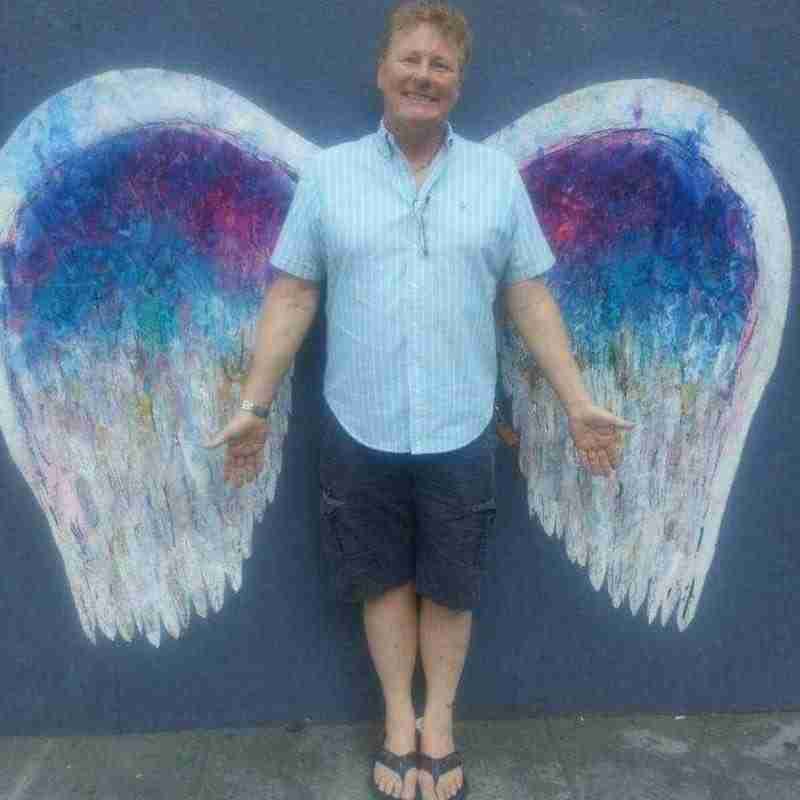
He struggled with alcoholism for years, though he was actively involved in Alcoholics Anonymous (AA) for over 20 years. His dedication to recovery inspired me, but it also highlighted the deep complexity of mental illness.
When I was 34, my uncle was hit by a traumatic event that he couldn’t overcome. He took his own life by drinking—a loss that sent shockwaves through my life. Losing him to suicide was devastating and brought with it a mix of grief, guilt, and unanswered questions, emotions that many suicide loss survivors experience.
Understanding the Impact on Survivors Who Lose a Loved One to Suicide
His death taught me about the ripple effect of suicide and how it impacts family members, friends, and the community in profound and often painful ways.
There is no right or wrong way to grieve the loss of a loved one to suicide. The process unfolds at its own pace, with emotions ranging from anger to guilt.
For me, it was like an emotional rollercoaster that I was unsure how to get off. But through that pain, I also found my voice as a suicide survivor. I knew that I needed to share my story, not just for myself, but for others who might be feeling the same way.
In tribute to my uncle and as a reminder of my own resilience, I got a tattoo—a hot air balloon designed by my sister, with semicolons hidden throughout the design.
It was my first mental health tattoo, a symbol of survival and hope, reminding me daily that my story isn’t over and that his ended too early.
The Turning Point
In my 20s, I began seeking professional help. I found therapy and medication to be transformative. For the first time, I realized that mental health issues were not just a personal burden—many people face them.
I was diagnosed with both depression and anxiety. It was around this time that I also became involved in advocacy work for the LGBTQ+ community and for individuals with developmental disabilities.
Volunteering and supporting others allowed me to channel my pain into purpose.
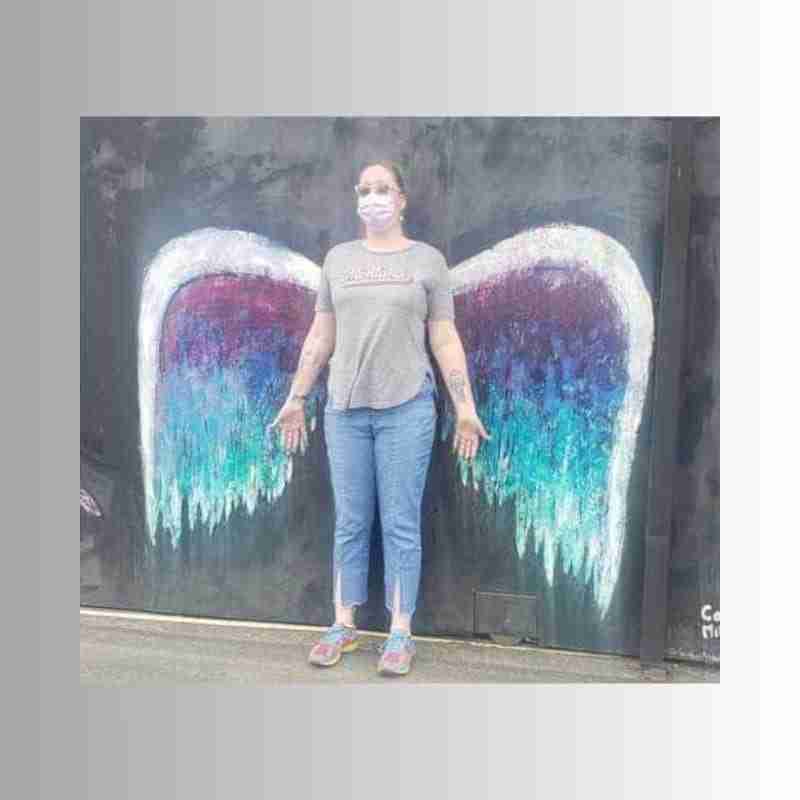
However, at 26, I attempted suicide again. It was a traumatic event, but during the act, I realized I had much to live for. I decided to fight for my life.
This was not the end of my struggles, though; I stopped therapy for a time, thinking that I wasn’t making progress.
Only later did I realize it was the fit with my therapist that was off, not my ability to heal.
Postpartum Depression and Realizations
After the birth of my first child, I faced another major battle with mental illness—postpartum depression. My husband recognized the signs and took me to my doctor, where I was finally put back on medication.
This raised the question for me: Why was it acceptable to receive help with postpartum depression, but not for everyday mental health struggles?
The stigma attached to mental illness became glaringly obvious. It was then that I started researching more about the mental health system, learning that society—not me—was wrong in how it approached mental health issues.
As I came to this realization, I became more outspoken about my mental health journey, seeking to raise awareness and reduce the stigma surrounding suicide, depression, and anxiety.
The Loss of My Uncle and Its Ripple Effect
Losing my uncle to suicide when I was 34 was a devastating blow. It was a turning point in my healing journey—one that showed me the importance of addressing mental health within families.
His suicide left my family grappling with complex feelings of grief, anger, and loss. The grief process, especially as a survivor of suicide loss, is different from other forms of grief.
There are often unanswered questions, feelings of guilt, and a deep sense of loss that is hard to describe.
This experience made me understand the importance of support groups for survivors of suicide loss and the role that professional help can play in navigating the grieving process.
Grief support, whether through grief therapy or community groups, helps survivors of suicide find a way to heal, even amidst the pain.
Finding My Path to Healing As a Suicide Survivor
By the time I reached 37, I was ready to openly share my story as a suicide survivor. I wanted to break the silence and stigma surrounding mental health, and I marked this chapter of my life with a large tattoo: a semicolon with the words “Not Today” beneath it.
The semicolon symbolizes that my story isn’t over, and my children’s handwriting under the tattoo serves as a daily reminder of why I keep fighting for my mental health. It’s a visible symbol of resilience and hope—one that keeps me grounded, even on the hardest days.
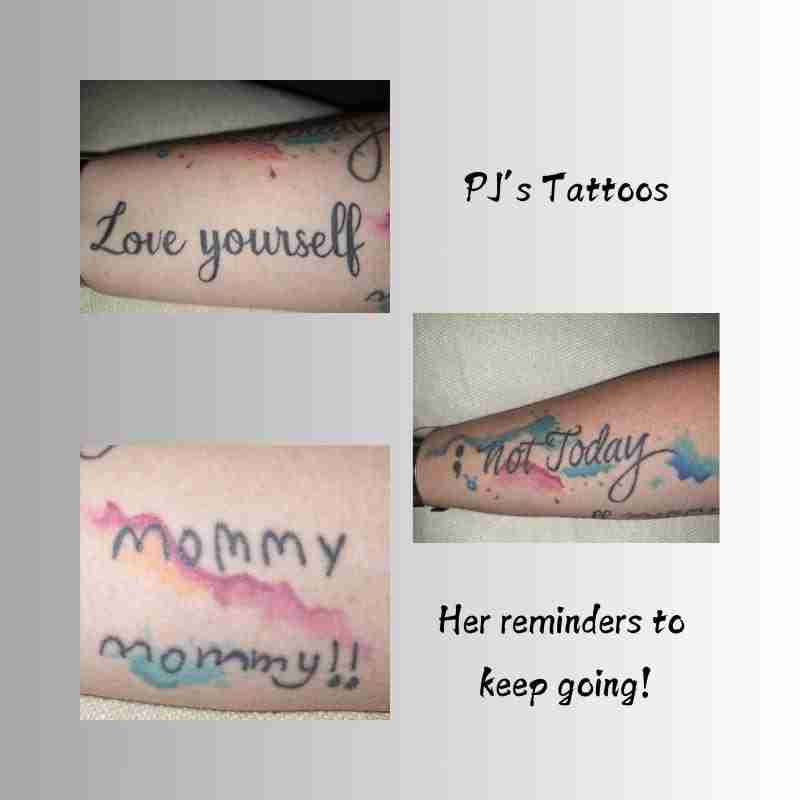
In the years since, I’ve dedicated myself to advocating for mental health awareness and support. I speak openly about my own experiences with depression and anxiety because I don’t want others, especially my students, to feel as alone as I once did.
My students know that I am a suicide survivor, and I talk to them about my journey openly. Unlike me, they have access to therapy throughout their lives and are encouraged to use it whenever they need support. I want to ensure they never feel the same sense of shame and isolation that I did growing up.
By sharing my story, I aim to reduce the stigma surrounding suicide and mental illness. I’ve found strength in connecting with others through support groups, where we share our stories of survival, healing, and hope.
Through these conversations, I’ve learned that healing is not a straight path.
It’s filled with ups and downs, but it’s possible with the right resources, professional help, and a strong support system.

Being open with my students, family, and community is part of my personal healing process, and I hope it helps others begin theirs.
How to Heal and Support Other Suicide Survivors or People Experiencing Suicidal Ideation
- Seek Professional Help: If you’re struggling with suicidal thoughts, mental illness, or complicated grief from losing a loved one to suicide, don’t hesitate to reach out to a mental health professional. There are no “right” or “wrong” emotions—just your emotions. Healing takes time, and it’s okay to take it at your own pace.
- Join a Support Group: Support groups provide a space to connect with others who have experienced the loss of a loved one to suicide. Sharing personal experiences in a supportive environment can reduce feelings of isolation and offer hope during the grieving process.
- Offer Support: If someone you know comes to you, be present and listen without judgment. Don’t dismiss their feelings or offer quick fixes. Sometimes the best support you can give is simply validating their pain and standing by their side.
- Raise Awareness: Sharing your story or raising awareness about suicide prevention can help reduce the stigma attached to mental illness. The American Foundation for Suicide Prevention offers resources, support, and ways to get involved in spreading hope.
My Personal Journey and Beyond
The grief and trauma that follow a loved one’s suicide are profound, but they do not define us as survivors. Through my journey, I’ve learned the importance of talking openly about mental health, reducing the stigma, and offering support to others.
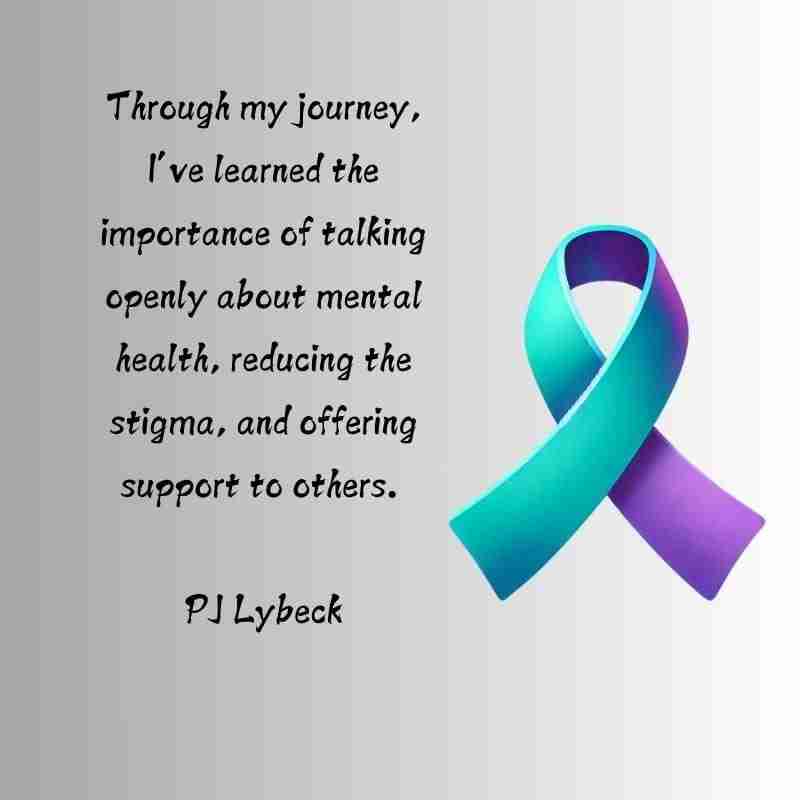
We all have the power to help someone who may be struggling in silence, whether it’s a family member, friend, or coworker.
Each person’s healing journey is unique. I encourage anyone who has experienced a suicide death or has had suicidal thoughts to seek professional help and support.
We must continue to provide support, reduce the stigma, and help survivors of suicide loss navigate their complex grief and emotions. Healing is possible, and there is always hope, even in the darkest times.
If you or someone you know is struggling with suicidal thoughts, please reach out for help at the National Suicide Hotline.
























PJ, this is beautiful and so well written. Mac would be so very proud. Keep sharing and caring. The world needs more people like you.
We agree. This piece was very poignant and PJ is a beautiful soul! Thanks for taking the time to read and comment. Please take a moment and subscribe to our newsletter for more inspiring stories.
Thank you so much! I hope so also!